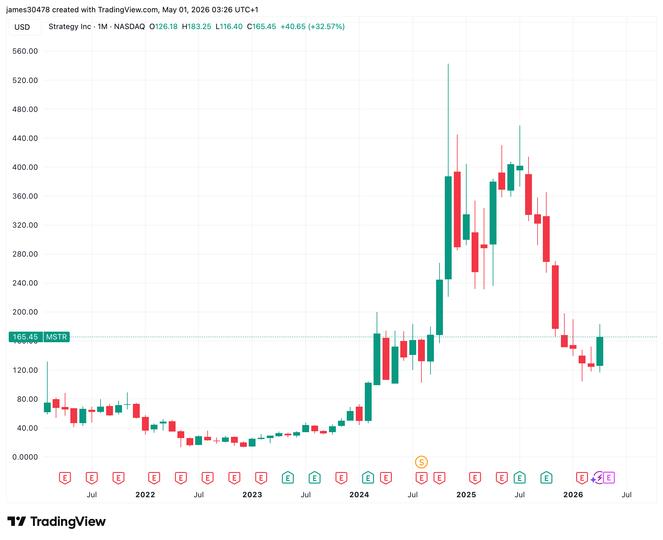
As Bitcoin's price surged throughout April, many in the crypto community celebrated the resurgence of the leading digital asset. However, not all are convinced that this rally is built on solid foundations. Current market dynamics suggest that the recent upswing is heavily influenced by speculative futures trading, raising concerns about its longevity and the potential for an impending crash similar to the one experienced in 2022. For developers and blockchain engineers, the implications of this volatility could be profound, affecting not just Bitcoin but the broader DeFi landscape.
Recent analysis indicates that the current price movements of Bitcoin are largely driven by speculative trading in futures contracts. This trend mirrors the conditions observed before the catastrophic market collapse of 2022, where excessive leverage and a lack of fundamental backing led to a massive sell-off. The futures market, while providing opportunities for hedging and speculation, also introduces significant risks, as traders can amplify their positions, leading to increased volatility. In the context of Bitcoin, which has seen a meteoric rise in trading volumes, the reliance on derivatives rather than direct asset accumulation raises red flags for market stability.
As Bitcoin grapples with these speculative forces, it is essential to consider how this volatility impacts the development of decentralized finance (DeFi) protocols. Smart contract architects and blockchain engineers must account for potential price swings in their projects, ensuring that liquidity pools and collateralized loans remain resilient in the face of market turbulence. Furthermore, the integrity of on-chain governance mechanisms could be tested as the community navigates the fallout from any potential downturn, highlighting the need for robust risk management strategies within protocol design.
In a broader context, the crypto landscape is at a critical juncture. The interdependence of various assets and platforms means that the ramifications of Bitcoin's volatility extend well beyond its own ecosystem. A crash could trigger a domino effect, impacting altcoins and DeFi projects that have integrated Bitcoin into their frameworks. This interconnectedness emphasizes the importance of vigilant monitoring of market conditions and the necessity for developers to build adaptable and resilient systems capable of weathering such storms.
CuraFeed Take: The recent speculative surge in Bitcoin serves as a cautionary tale for developers and investors alike. While the opportunity for profit exists, the underlying risks associated with futures trading could lead to significant losses for those unprepared for potential downturns. Moving forward, stakeholders should focus on enhancing the robustness of their protocols to withstand volatility, while also advocating for greater transparency and regulation within the futures market. It will be crucial to monitor how this situation unfolds and whether it can catalyze a more resilient approach to trading and development across the crypto ecosystem.