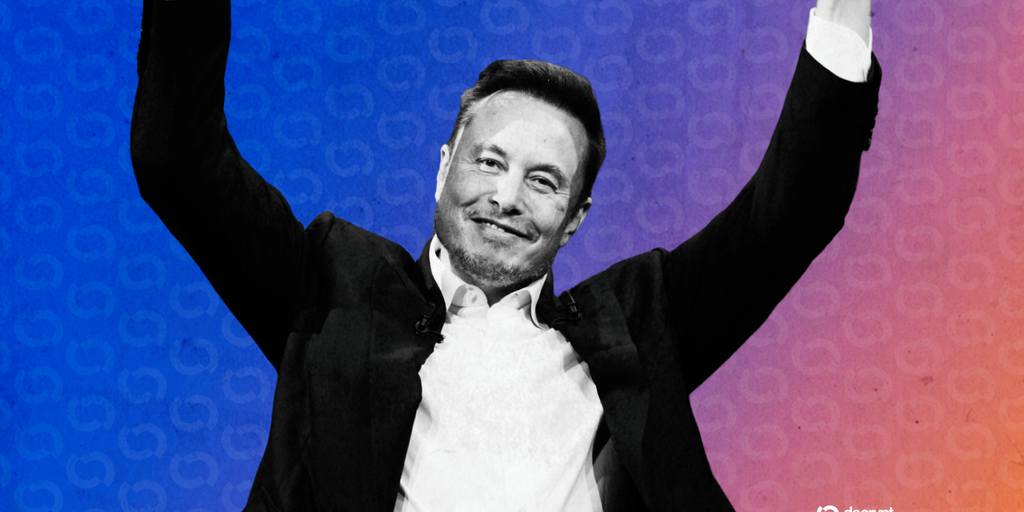
In a significant moment for the artificial intelligence sector, Elon Musk's recent court testimony has unveiled that his company, xAI, employed models developed by OpenAI to train its own AI system, Grok. This admission not only highlights the competitive dynamics within the burgeoning AI industry but also raises questions about the nature of intellectual property in tech innovation. For traders and investors, this is a pivotal development that could influence the future trajectory of AI-related stocks and startups.
The court proceedings, which are relatively rare for executives of Musk's stature, focused on the methodologies employed in AI development. Musk's acknowledgment of using distillation techniques—a process where a smaller model learns from a larger one—underscores the intricate relationships between leading AI firms. As companies race to build more efficient, cost-effective AI models, the implications for market sentiment are profound. The competitive advantage gained through such practices could lead to shifts in market positions and valuations of key players in the AI arena.
Furthermore, as Musk's xAI enters a crowded field dominated by major players like OpenAI, Google, and Microsoft, the stakes have never been higher. Investors are keenly watching how these dynamics will play out, particularly as the demand for AI capabilities continues to soar across various sectors, from finance to healthcare. The market's response may hinge on how well xAI can differentiate Grok from existing offerings and whether it can maintain a competitive edge while navigating potential legal challenges surrounding intellectual property.
In the broader context of the AI landscape, this revelation from Musk aligns with a trend where companies are increasingly collaborating and sharing resources to enhance their technological capabilities. The use of established models as a foundation for new developments raises important questions about innovation and competition in the tech space. As companies continue to refine their AI strategies, the potential for mergers, acquisitions, and partnerships may become more pronounced.
CuraFeed Take: This admission from Musk may ultimately favor established players like OpenAI, which could strengthen their market position while putting pressure on newer entrants like xAI. For investors, the key takeaway is to monitor how xAI's Grok performs in the market and whether it can establish a unique identity without infringing on the intellectual property of its predecessors. As the AI landscape evolves, keeping an eye on regulatory developments and competitive responses will be crucial for informed portfolio decisions.