In an environment where regulatory compliance is becoming increasingly vital, Senator Elizabeth Warren's recent questioning of Commerce Secretary Howard Lutnick regarding a loan made by Tether to a family member has sent ripples through both political and financial sectors. As cryptocurrencies continue to gain traction, the governance of financial transactions involving these digital assets has never been more critical. The incident highlights not only the potential conflicts of interest but also the broader implications for oversight in a rapidly evolving financial ecosystem.
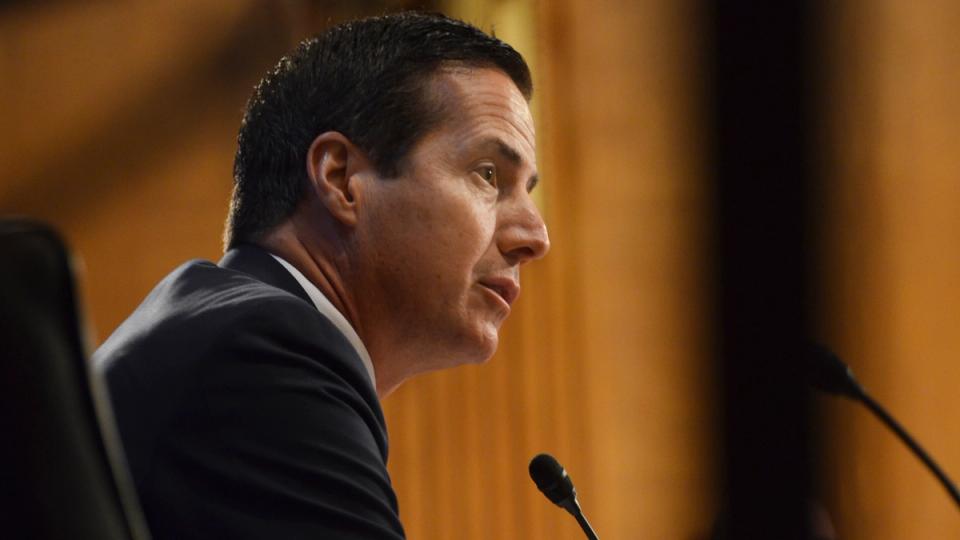
During a Senate hearing, Warren pointedly interrogated Lutnick about the specifics surrounding the loan, which has raised eyebrows among compliance professionals and policy analysts alike. The transaction, which involves a significant sum, has prompted concerns about transparency and the ethical considerations that accompany public officials' financial dealings. Tether, a prominent player in the cryptocurrency market known for its stablecoin, has faced its share of scrutiny regarding its operations and the management of its reserves. The nature of the loan, and its potential implications for Lutnick's role in overseeing financial regulations, is now at the forefront of discourse among lawmakers and financial regulators.
This inquiry is particularly relevant given the heightened focus on regulation in the cryptocurrency sector. With lawmakers and regulatory bodies increasingly scrutinizing the financial practices surrounding digital currencies, this incident raises questions about the adequacy of existing regulatory frameworks. While Tether has claimed to operate within legal boundaries, the lack of transparency in its operations has left many stakeholders calling for more robust oversight. As the cryptocurrency market continues to evolve, understanding the dynamics of such loans and their implications will be critical for compliance professionals navigating the regulatory landscape.
In the broader context of the AI and cryptocurrency landscape, this incident is a reminder of the need for diligent regulatory frameworks. As markets become more intertwined with advanced technologies, the potential for conflicts of interest and ethical dilemmas grows. Policymakers are now faced with the challenge of crafting regulations that not only govern the actions of firms like Tether but also safeguard the integrity of public officials.
CuraFeed Take: The inquiry into Tether's loan to Lutnick's family member underscores the necessity for rigorous regulatory frameworks in the cryptocurrency domain. As scrutiny intensifies, stakeholders must brace for potential regulatory shifts that could reshape the landscape of digital assets. Compliance professionals should monitor this situation closely, as it presents both risks and opportunities for investment and governance in the crypto space. The outcome of this inquiry could set a precedent for how financial transactions involving public officials are scrutinized in the future, signaling a critical moment for both compliance and regulatory communities.